
Scalp Conditions That May Look Like a Problem but Are Actually Beneficial
Some scalp conditions may appear concerning but are actually part of a healthy scalp cycle. Learn about natural scalp processes that support hair growth.
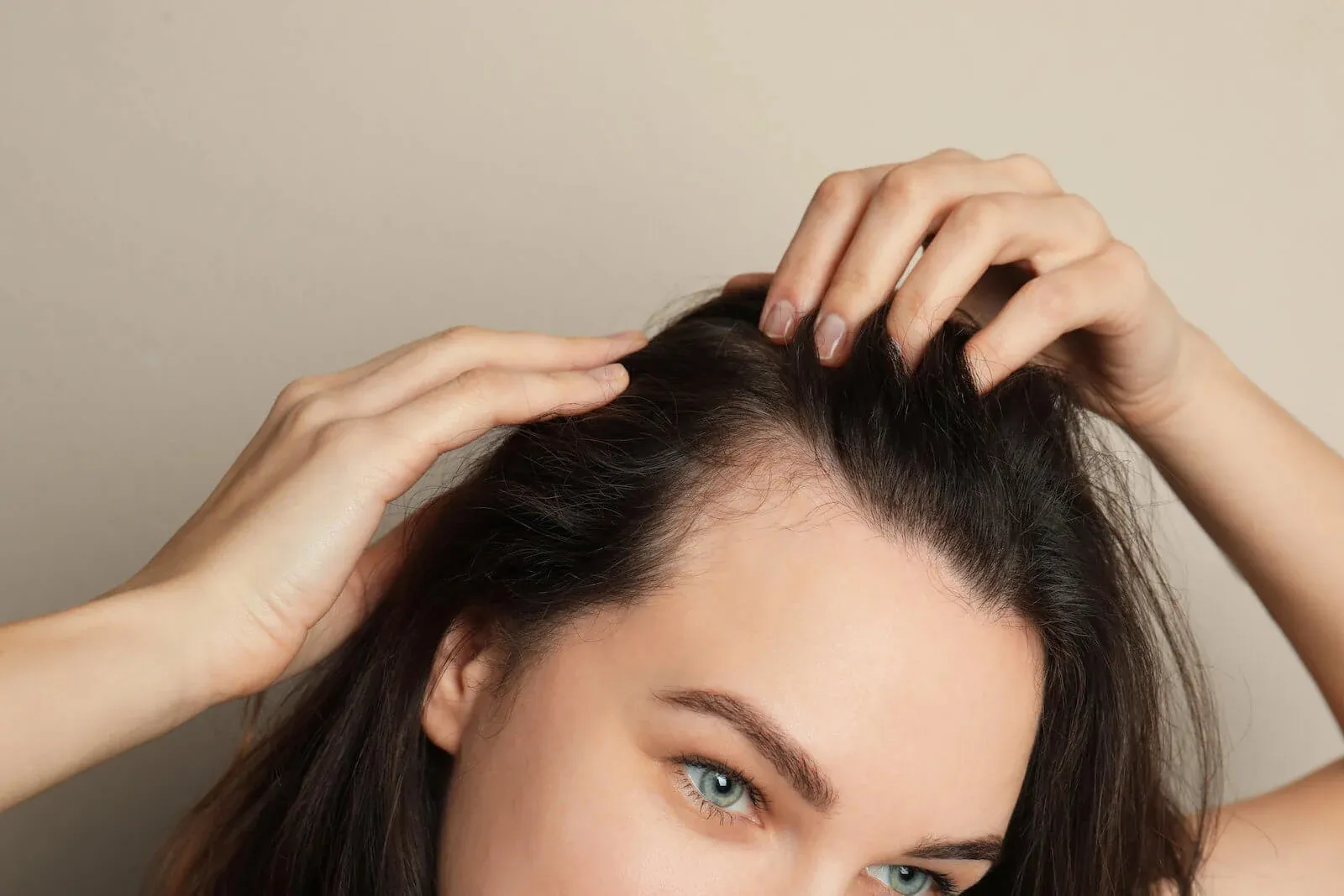

Many people become concerned when they notice unusual changes in their scalp. Mild flaking, temporary oiliness, or increased hair shedding can easily be mistaken for a scalp disease. However, not every scalp change indicates a health problem. In some cases, these changes are actually signs that the scalp is functioning normally and maintaining its natural balance. Explains Sunday Headspa.
The scalp is a living ecosystem that constantly renews itself. Skin cells are replaced, natural oils are produced, and hair follicles cycle through phases of growth and rest. These natural processes can sometimes create symptoms that appear similar to scalp conditions even though they are part of a healthy scalp cycle. Here’s and explanation by Sunday Headspa
The Natural Renewal Cycle of the Scalp
Like the rest of the skin on the body, the scalp continuously regenerates. Old skin cells gradually move toward the surface and eventually shed to make room for new cells underneath.
During this process, small amounts of flaking may appear. While excessive flaking can sometimes indicate dandruff or dermatitis, light flaking is often simply part of the scalp’s natural renewal process.
This shedding helps keep hair follicles clear and prevents buildup that could interfere with healthy hair growth.
Flaking After Scalp Treatments
People who undergo scalp detox or exfoliation treatments sometimes notice mild flaking in the days following the treatment. This reaction can look similar to dandruff, but it often indicates that the scalp is shedding old buildup and dead skin.
Professional scalp treatments help remove product residue, excess oil, and environmental particles that accumulate over time. As the scalp clears itself, it may briefly shed flakes while healthier skin replaces the old layer.
This process usually resolves quickly and often leads to a fresher, healthier scalp environment.
Temporary Oil Increase
Another situation that may worry people is a sudden increase in scalp oil. Natural scalp oils, known as sebum, are actually essential for protecting both the scalp and the hair.
Sebum helps keep the scalp moisturized, prevents dryness, and supports the health of hair follicles. When someone changes hair products or begins a new scalp care routine, the scalp may temporarily produce more oil as it adjusts.
In most cases, this increase stabilizes once the scalp rebalances its natural oil production.
The Scalp Purging Phase
Some individuals experience a short adjustment period known as a “scalp purging phase” when starting new scalp treatments or detox routines. During this time, the scalp accelerates its natural cleansing process.
This may cause minor flaking, slight sensitivity, or the release of trapped oils and buildup. Although the symptoms may appear concerning, they often signal that the scalp is clearing clogged follicles and restoring balance.
After this phase passes, many people notice improved scalp clarity and comfort.
Seasonal Hair Shedding
Hair grows in natural cycles that include growth, transition, and resting phases. Occasionally, many follicles enter the shedding phase at the same time.
This can result in temporary hair shedding, particularly during seasonal changes or periods of stress. While it may seem alarming, moderate shedding can be part of the scalp resetting its hair growth cycle.
Once the new growth phase begins, healthier hair strands often replace the shed hair.
Mild Sensitivity During Scalp Regeneration
After deep cleansing or exfoliation treatments, the scalp may feel slightly sensitive for a short period. This sensitivity is often linked to increased blood circulation in the scalp.
Improved circulation allows more oxygen and nutrients to reach the hair follicles, supporting stronger hair growth. As the scalp adjusts, the sensitivity typically fades quickly.
Why Professional Scalp Evaluation Helps
Although many scalp changes are harmless or even beneficial, it can sometimes be difficult to distinguish between normal scalp activity and genuine scalp conditions.
Persistent itching, strong redness, or continuous hair loss may require professional attention. A trained scalp specialist can analyze scalp health and determine whether symptoms are part of a natural process or require treatment.
Many individuals searching for scalp care or hair restoration services in California choose professional scalp evaluations for this reason.
In the San Francisco area, specialized scalp care providers like Sunday Headspa focus on restoring scalp balance through treatments such as scalp detox, circulation stimulation, and follicle-supporting therapies.
Maintaining a Healthy Scalp Environment
Supporting the scalp’s natural functions is often the most effective way to maintain long-term hair health. Simple habits can help keep the scalp balanced and healthy.
- Use gentle hair care products
- Avoid heavy product buildup
- Wash hair according to your scalp type
- Manage stress levels
- Seek professional scalp care when needed
These practices help create an environment where hair follicles can grow strong and healthy strands.
Conclusion
Not every scalp change signals a disease. Mild flaking, temporary oil adjustments, and short-term shedding can sometimes indicate that the scalp is renewing and balancing itself.
Understanding these natural processes can help reduce unnecessary worry while still encouraging people to monitor their scalp health. By supporting the scalp’s natural balance and seeking professional care when necessary, individuals can maintain stronger hair and a healthier scalp over time.
This news has been tken from authentic news syndicates and agencies and only the wordings has been changed keeping the menaing intact. We have not done personal research yet and do not guarantee the complete genuinity and request you to verify from other sources too.